
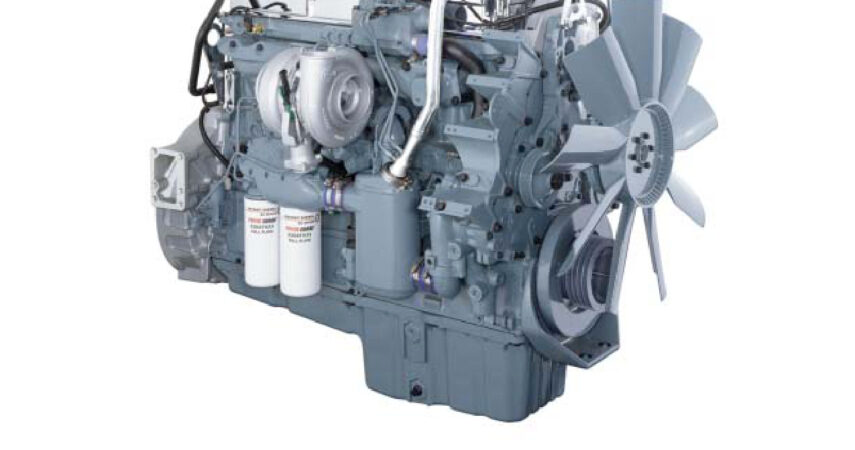
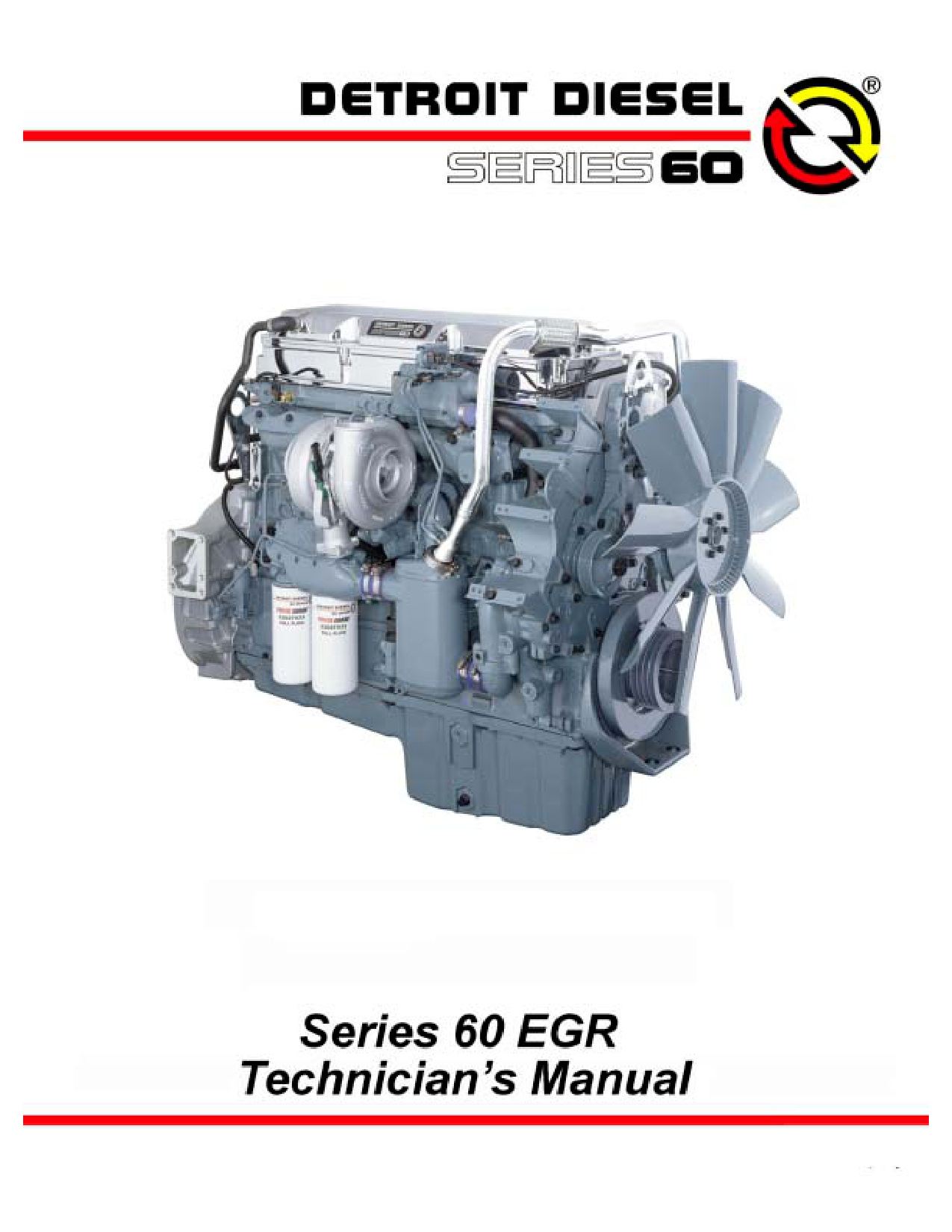
Detroit Diesel Series 60 EGR Troubleshooting Technician’s Guide
Instant Answer & Quick Specs Box
Engineering Overview & Technical Coverage
The Detroit Diesel Series 60 EGR engine represents the pinnacle of modern Class 8 heavy-duty diesel engineering under DDEC IV and DDEC V control architectures. Featuring cooled Exhaust Gas Recirculation (EGR) combined with a Variable Nozzle Turbocharger (VNT) and pneumatic proportional actuators, the Series 60 EGR requires structured diagnostic routines to isolate sensor drift, boost leaks, and soot accumulation. This factory-authorized technician’s guide provides step-by-step diagnostic workflows, wiring pinouts, and sensor test limits.
Critical Engineering Specifications & Tightening Sequence
| EGR / Turbo Subsystem | Operating Parameter | Specification / Signal Range | Diagnostic Action / Fault Tree |
|---|---|---|---|
| EGR Delta-P Sensor | Exhaust Flow Differential Pressure | 0.5V – 4.5V (Key ON: ~0.8V–1.1V) | Check sensor port tubes for carbon blockage before replacing |
| VNT Vane Actuator Air Supply | Pneumatic Supply Line | 90 – 120 PSI Clean Dry Shop Air | Inspect air governor, air dryer desiccant, and PWM solenoid filter |
| EGR Hydraulic Actuator Valve | Hydraulic/Pneumatic Stroke | Full travel ~12 mm | Test free vane return spring action. Inspect for carbon binding |
| EGR Temperature Sensor | Exhaust Gas Inlet Temp | Thermistor resistance map | Verify cross-reading with Coolant Temp sensor on cold engine soak |
| Barometric Pressure Sensor | Altitude Fuel Compensation | 101.3 kPa @ Sea Level (~4.0V) | Internal ECM sensor or external harness pin check |
| Series 60 Head Bolt Torque | 38-bolt Pattern | 220 lb-ft + 90° Turn | Standard torque-turn procedure for Series 60 12.7L & 14.0L blocks |
Complete Service Chapter Directory
- 1. Introduction & Diagnostic Fundamentals: Overview of EPA04 Series 60 emissions, technician pre-troubleshooting walkaround, and driver symptom questionnaire.
- 2. Hardware & Components: Cutaway blueprints of EGR cooler core, hydraulic actuator valves, reed valves, Delta-P venturi sensors, and Variable Nozzle Turbocharger (VNT).
- 3. Engine Operational Modes: Cold ambient warm-up mode, steady-state cruising EGR flow, engine braking integration, and emergency derate profiles.
- 4. Systematic Symptom Troubleshooting: Diagnostic trees for black smoke, low boost pressure, poor fuel economy, erratic turbo whistle, and sudden coolant loss through the EGR cooler.
- 5. Sensor Diagnostic Testing: Electrical resistance testing, voltage reference sweeps, harness pinouts, and DDEC IV/V diagnostic trouble code charts.
- 6. Mechanical Overhaul & Cleaning: EGR tube decarb procedures, cooler ultrasonic flush protocols, valve seat leak tests, and VNT vane cleaning.
Heavy Equipment Mechanics: Free Interactive Calculation Suite
Calculate fastener stretch, torque unit conversions (Nm to ft-lbs), engine displacement, and compression ratio online in seconds:
Open Diesel Mechanic Calculators →Frequently Asked Questions
What are the symptoms of a failed EGR Delta-P sensor on a Series 60?
A failing Delta-P sensor typically triggers erratic turbo spooling, intermittent power cuts under grade pulling, black smoke on acceleration, and DDEC diagnostic codes for EGR flow out of range (due to soot blockage in the sampling ports).
Can a leaking Series 60 EGR cooler cause white smoke?
Yes. Internal fatigue cracks in the stainless steel EGR cooler tubes allow pressurized coolant to mix into the exhaust flow, resulting in sweet-smelling white exhaust vapor and unexplained coolant reservoir loss without external leaks.
